Calorie Density Explained: How to Eat More, Stay Full, and Still Lose Weight
Eat more, stay full, and still lose weight. Learn how calorie density helps you reduce calories naturally without hunger or strict dieting.
Table of Contents
- What Is Calorie Density?
- Simple Example
- Why Calorie Density Matters for Weight Loss
- The 4 Levels of Calorie Density (Easy Guide)
- 1. Very Low Density (Eat Freely)
- 2. Low Density (Base of Your Meals)
- 3. Medium Density (Watch Portions)
- 4. High Density (Use Sparingly)
- Why This Works So Well (Science Made Simple)
- 1. Volume = Fullness
- 2. Fiber Slows Everything Down
- How to Apply This (Without Overthinking)
- 1. Build Your Plate Like This
- 2. Add Fats, Don’t Base Meals Around Them
- 3. Eat Until Satisfied, Not Stuffed
- Common Mistakes
- What Results Can You Expect?
- Why This Is Better Than Traditional Dieting
- Final Thoughts
- Where to Go Next
If you feel like losing weight always means eating less… this might change everything.
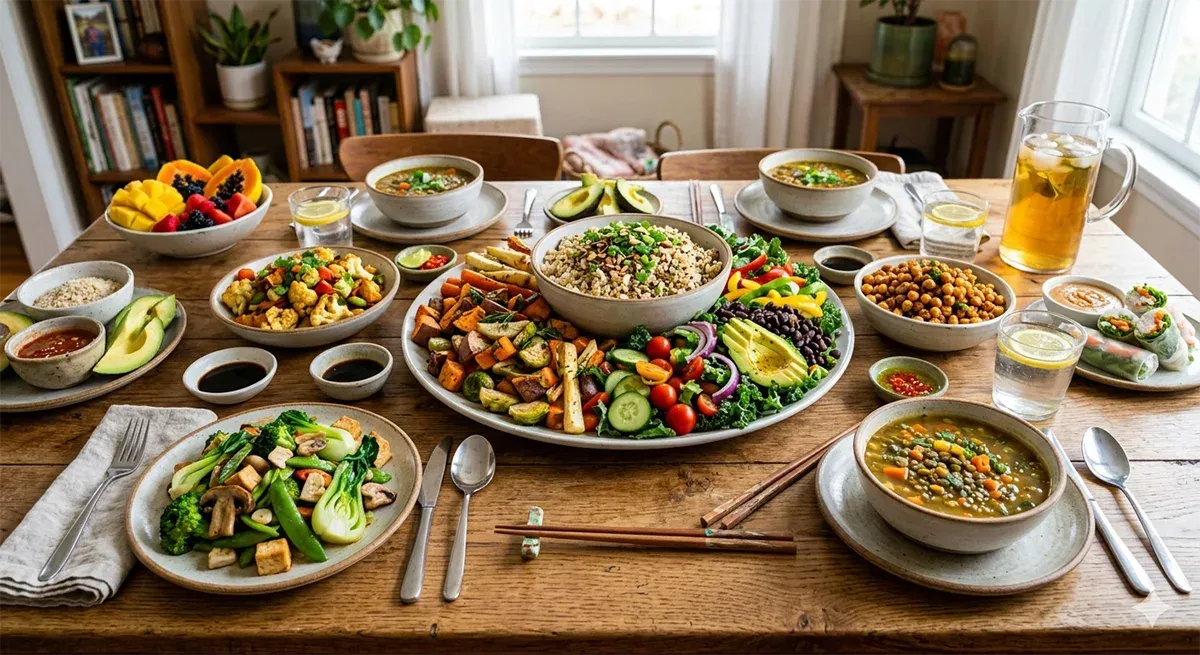
Because what if you could eat more food — bigger portions, more satisfying meals — and still lose weight?
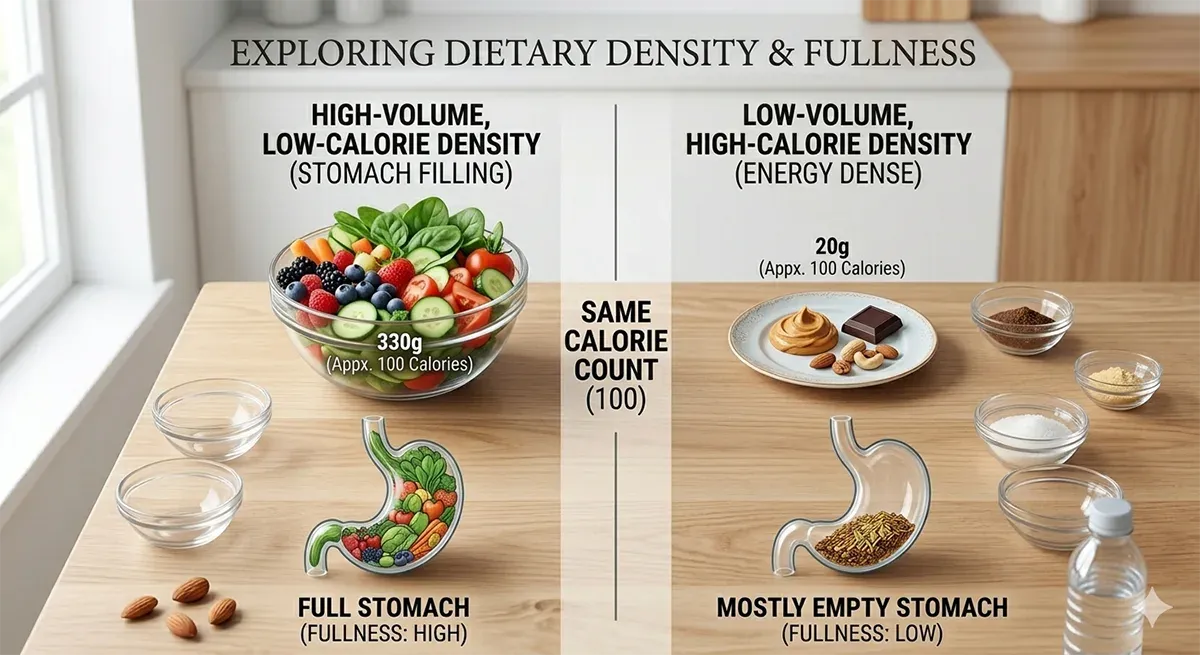 That’s exactly what calorie density is about.
And once you understand it, fat loss becomes a lot easier — without constant hunger or strict calorie counting.
What Is Calorie Density?
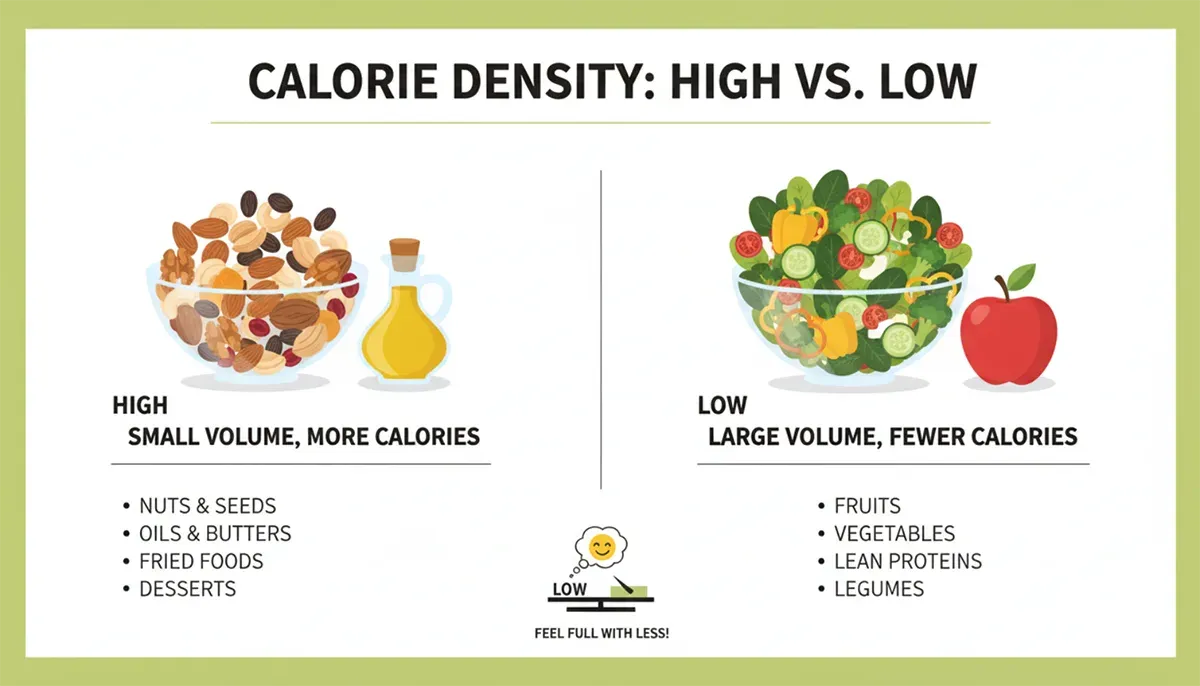 Calorie density simply means:
How many calories are in a given weight (or volume) of food
Some foods pack a lot of calories into a small portion.
Others give you a large portion for relatively few calories.
Simple Example
- 1 tablespoon of oil → ~120 calories (very high density)
- A full bowl of vegetables → ~100–150 calories (very low density)
Same calories. Completely different fullness.
Why Calorie Density Matters for Weight Loss
Most people don’t fail diets because of lack of discipline.
They fail because they’re hungry all the time.
Low calorie density foods solve that.
When your meals are built around foods like:
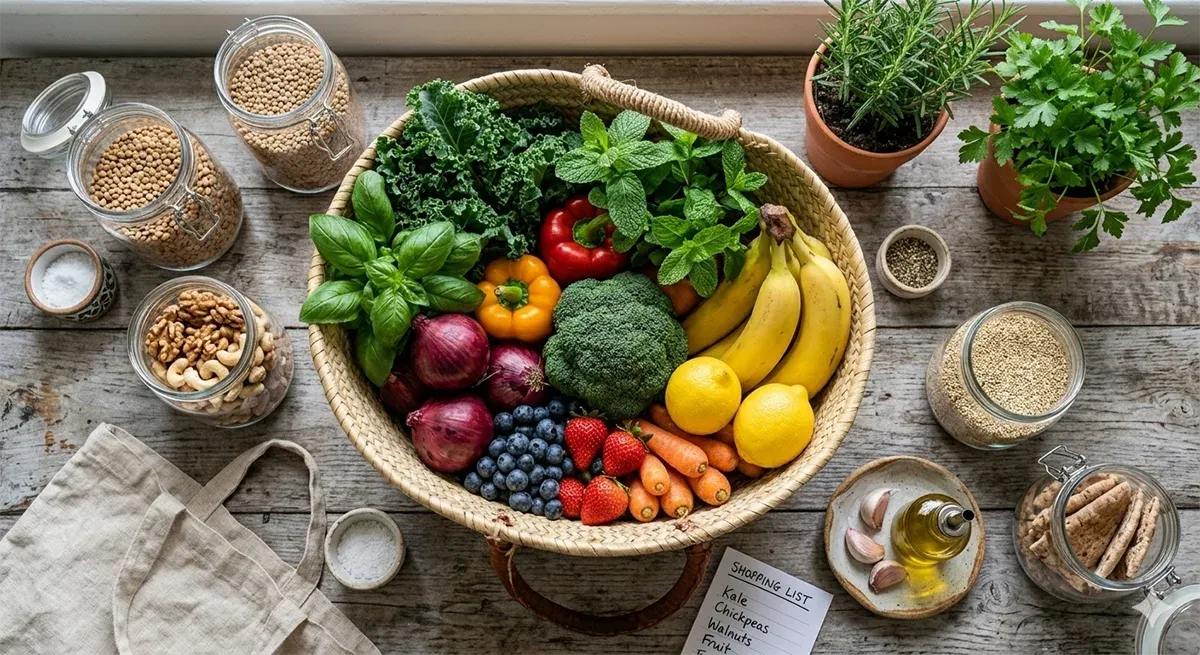
- Vegetables
- Fruits
- Legumes
- Whole grains
You can:
- Eat larger portions
- Feel full longer
- Naturally reduce calorie intake
…without forcing yourself to eat less.
That’s why this approach works so well in structured plans like a
7-day vegetarian meal plan for weight loss
where volume and fiber are doing most of the work.
The 4 Levels of Calorie Density (Easy Guide)
Think of foods in 4 simple groups:
1. Very Low Density (Eat Freely)
- Leafy greens
- Cucumbers
- Tomatoes
- Broccoli
- Zucchini
👉 You can eat large amounts with minimal calories.
2. Low Density (Base of Your Meals)
- Fruits
- Potatoes
- Beans
- Lentils
- Whole grains
👉 These should make up most of your meals.
3. Medium Density (Watch Portions)
- Bread
- Cheese
- Avocado
- Eggs
👉 Still healthy, just easier to overeat.
4. High Density (Use Sparingly)
- Oils
- Butter
- Nuts
- Processed snacks
👉 Small amounts add up fast.
Why This Works So Well (Science Made Simple)
There are two main reasons:
1. Volume = Fullness
Your stomach responds more to volume than calories.
A large bowl of food signals fullness better than a small, dense meal.
2. Fiber Slows Everything Down
High-fiber foods:
- Slow digestion
- Stabilize energy
- Reduce cravings
This is also why people eating this way often notice better
blood sugar control and fewer energy crashes throughout the day.
How to Apply This (Without Overthinking)
You don’t need to calculate anything.
Just follow 3 simple rules:
1. Build Your Plate Like This
- 50% vegetables
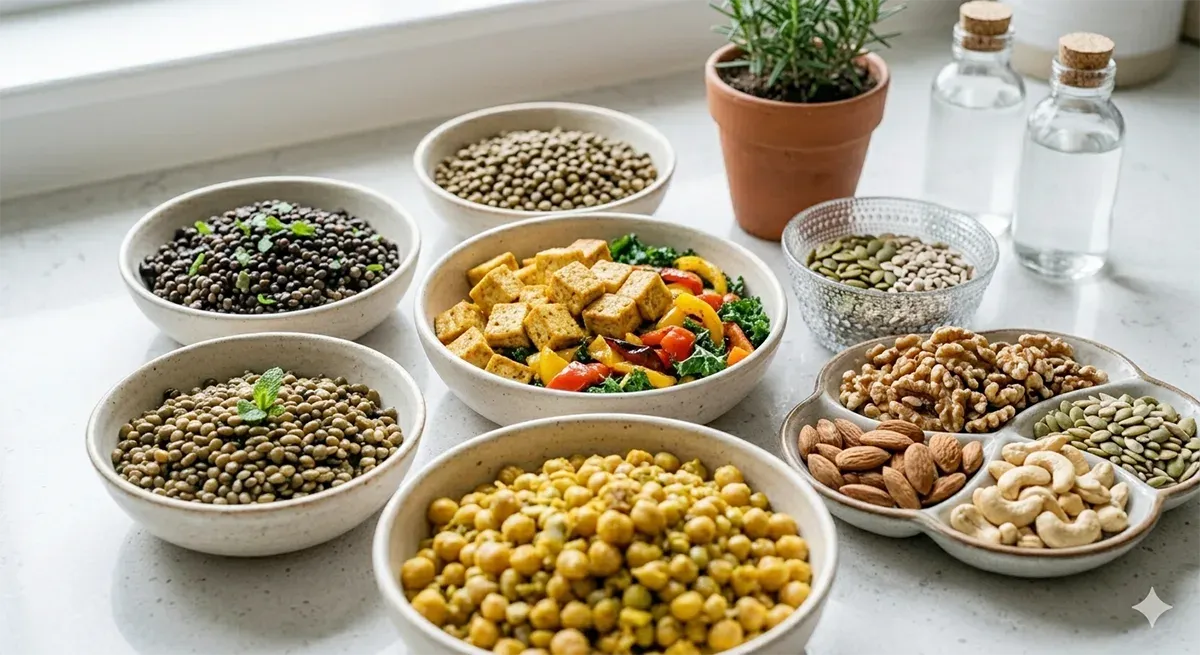
- 25% protein (beans, tofu, lentils)
- 25% carbs (rice, potatoes, grains)
2. Add Fats, Don’t Base Meals Around Them
Use oil, nuts, and seeds — but in small amounts.
3. Eat Until Satisfied, Not Stuffed
The goal isn’t restriction.
It’s letting the food do the work for you.
Common Mistakes
Even this approach can go wrong if you:
- Add too much oil
- Overeat nuts
- Rely on processed “healthy” foods
- Ignore protein
That last one is especially important.
If you combine low calorie density with enough protein, results get much better — which is why plans like this
high-protein vegan meal plan for fat loss
tend to work faster and feel easier.
What Results Can You Expect?
Most people notice:
Week 1: Less hunger, less bloating
Week 2: Gradual fat loss begins
Week 3+: Better energy, fewer cravings
And the biggest difference?
It feels sustainable.
Why This Is Better Than Traditional Dieting
Traditional diets:
- Focus on eating less
- Ignore hunger
- Often lead to burnout
Calorie density:
- Focuses on eating smarter
- Keeps you full
- Makes consistency easier
And consistency is what actually drives results.
Final Thoughts
If you’ve struggled with hunger while trying to lose weight, this is probably the missing piece.
You don’t need more willpower.
You just need better food structure.
Eat more of the right foods — and your body will naturally do the rest.
Where to Go Next
If you want to apply this right away:
- Start with a structured plan like the vegetarian meal plan
- Or go higher protein if hunger is your main issue
Keep it simple. Stay consistent.
That’s what works.