How to Fast Safely for Weight Loss
Learn how to fast safely for weight loss and explore healthier, sustainable diet-plan alternatives part of your weight-loss journey
Table of Contents
- 1. What Is Fasting?
- 2. Is Fasting Safe or Effective for Losing Weight?
- 3. Risks of Prolonged Fasting
- 4. How to Fast Safely for Weight Loss
- 4.1 The Truth About Fasting for Weight Loss
- 4.2 Safer Alternatives to Support Weight Loss
- ✓ Stay Physically Active
- ✓ Drink Plenty of Water
- ✓ Avoid Sugary Beverages
- ✓ Limit Artificial Sweeteners
- ✓ Eat Colorful, Fiber-Rich Vegetables
- ✓ Choose Lean Protein Sources
- ✓ Minimize Processed Meats
- ✓ Prioritize Whole Grains
- ✓ Allow Occasional Treats
- Sources
Fasting has become a popular trend among people trying to lose weight quickly. While short-term calorie restriction may lead to temporary results, most fasting methods are not designed for healthy, sustainable weight management. This guide walks you through what fasting really does, the risks involved, and better alternatives—especially structured weight-loss diet plans that support long-term results.
If you're exploring additional strategies, browse our full weight-loss category for more guidance.
1. What Is Fasting?
Fasting involves reducing or eliminating calorie intake for a specific amount of time. Intermittent fasting is one of the most familiar approaches, alternating between eating windows and fasting periods.
 Some restrictive plans promote extreme low-calorie intake—often below 800 calories per day—and claim rapid weight loss. Diets like the “cabbage soup diet” encourage eating primarily soup and water for several days. While they may promise fast results, these methods lack real scientific backing and often lead to rebound weight gain.
Although fasting can temporarily reduce calories, doing it incorrectly can harm your health and make long-term weight management even harder.
2. Is Fasting Safe or Effective for Losing Weight?
 Most fasting methods are not considered safe or effective for sustained weight loss. While a healthy adult might tolerate short intermittent fasts, even water-only fasting should be done with medical oversight.
Severe calorie restriction can:
- Slow your metabolism
- Increase cravings
- Trigger binge-eating
- Cause nutrient deficiencies
- Make it harder to lose weight long-term
The body needs enough calories to function. When calorie intake drops too low, the body enters a conservation mode—often called “starvation mode”—making it harder to burn fat.
For lasting weight loss, a structured eating approach—such as a science-backed weight-loss diet plan—is far more effective than aggressive fasting.
Explore more at our diet plan for weight-loss hub.
3. Risks of Prolonged Fasting
Fasting for extended periods or engaging in extreme calorie restriction may cause:
- Electrolyte imbalances
- Irregular heartbeat
- Fainting or dizziness
- Dehydration
- Gallstones
- Muscle loss
- Slowed metabolism
- Constipation
- Blood sugar fluctuations
Who should NOT fast:
- Pregnant or breastfeeding women
- Individuals with diabetes
- Children and teenagers
- Older adults
- People with chronic medical conditions
4. How to Fast Safely for Weight Loss
Some fasting plans allow only water, teas, or juices, while others allow minimal solid food but still remain dangerously low-calorie. Not all fasting methods are equally risky—short religious fasts (24–48 hours) are generally safe for healthy individuals, but not recommended as a weight-loss method.
Short fasts lasting one to two days may be tolerated by healthy adults, but only when approved by a healthcare professional.
4.1 The Truth About Fasting for Weight Loss
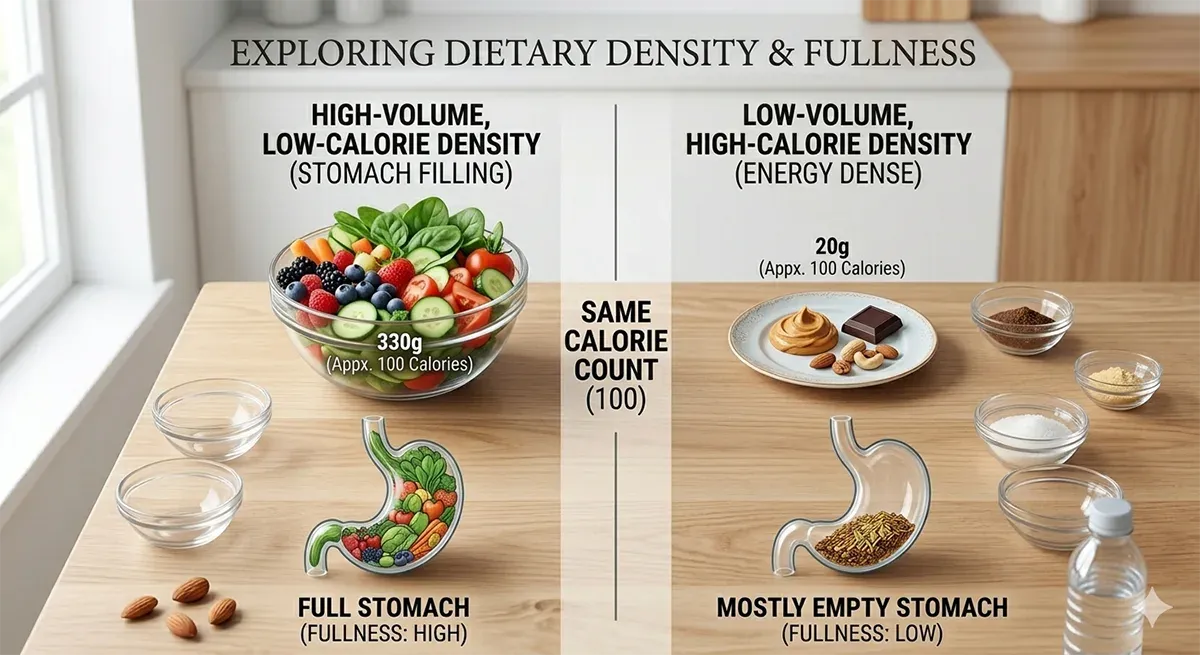
Experts consistently agree: fasting may reduce water weight and some body fat in the short term, but it’s not a safe or sustainable strategy. Effective weight loss requires consuming at least 1,200 calories daily for most adults, focusing on balanced nutrition:
- High-fiber vegetables
- Fresh fruits
- Whole grains
- Lean proteins
- Low-fat dairy
- Healthy fats
Combined with regular physical activity, these habits outperform fasting for long-term fat loss.
If you're ready to pair balanced eating with structured planning, consider exploring our curated weight-loss diet plans for practical meal guidance.
4.2 Safer Alternatives to Support Weight Loss
A long-term approach is always more successful than restrictive fasting. Before attempting any fasting regimen, consult a doctor or registered dietitian.
Here are expert-backed strategies to lose weight more safely:
✓ Stay Physically Active
You don’t need intense workouts—simply aiming for 10,000 steps a day and moving regularly supports fat loss.
✓ Drink Plenty of Water
Add lemon or fruit slices for a natural flavor boost.
✓ Avoid Sugary Beverages
Cut back on soda, sweetened drinks, and even heavy fruit juices.
✓ Limit Artificial Sweeteners
Research suggests frequent diet soda consumption may be linked to metabolic issues.
✓ Eat Colorful, Fiber-Rich Vegetables
Leafy greens and vibrant veggies provide nutrients while keeping calories in check.
✓ Choose Lean Protein Sources
Good options include poultry, fish, eggs, legumes, nuts, and low-fat dairy.
✓ Minimize Processed Meats
They often contain high levels of sodium and preservatives—even “nitrate-free” versions.
✓ Prioritize Whole Grains
Opt for whole-grain pasta, bread, oats, and crackers instead of refined flour.
✓ Allow Occasional Treats
Healthy dieting should not feel restrictive. Small indulgences help you stay consistent.
Sources
- beaumont.org
- webmd.com