The Real Difference Between Weight Loss and Fat Loss
Discover the key difference between weight loss and fat loss, and learn how to burn fat effectively for a lean, healthy body
Table of Contents
- What Is the Difference Between Weight Loss and Fat Loss?
- What Is Weight Loss?
- What Is Fat Loss?
- Which Is Better: Weight Loss or Fat Loss?
- How to Lose Fat Effectively
- 1. Prioritize Protein
- 2. Strength Train Regularly
- 3. Don’t Cut Calories Too Low
- 4. Stay Hydrated
- 5. Get Enough Sleep
- 6. Be Consistent
- Final Thoughts
When it comes to achieving a lean, balanced, and healthy physique, many people use the terms weight loss and fat loss interchangeably. However, these are two entirely different goals—and understanding the difference between them can be the key to getting the results you want safely and effectively.
 If you’ve been trying to lose weight but haven’t seen the changes you expected in your body shape, it’s likely because you’ve been focusing on the wrong target. Let’s break down what weight loss really means, how fat loss works, and which one is truly better for your health and appearance.
What Is the Difference Between Weight Loss and Fat Loss?
Weight loss and fat loss are not the same thing. While they’re often mentioned together, they refer to different processes happening in your body.
- Weight loss is the overall decrease in your body’s total mass — including fat, muscle, and water.
- Fat loss specifically targets the reduction of body fat, which is what actually changes your body composition and makes you look leaner and more toned.
 Both can lead to a lower number on the scale, but only fat loss leads to lasting health and aesthetic improvements.
👉 Learn more about effective and sustainable fat-burning strategies in our Weight Loss section.
What Is Weight Loss?
Your total body weight is made up of multiple components — including:
- Bone mass
- Muscle mass
- Body fat
- Water weight
- Glycogen stores
When you focus solely on losing weight, you may be losing any combination of the above — not necessarily fat.
This is why many people who try “quick fixes” such as:
- Extreme calorie restriction or fasting,
- Over-exercising with no recovery, or
- Using weight-loss pills or detox products
…often end up feeling weak, fatigued, and dehydrated. The scale may show progress, but much of that is due to loss of water and muscle, not fat. Once normal eating resumes, the weight tends to come back quickly—often as more fat than before.
In short, weight loss doesn’t always equal fat loss.
What Is Fat Loss?
Fat loss refers specifically to the reduction of adipose tissue — the body’s stored fat. There are two main types of fat in your body:
- Subcutaneous fat: Found directly under your skin, affecting your body shape and appearance.
- Visceral fat: Stored around internal organs such as the liver, pancreas, and intestines. This type of fat poses significant health risks, including heart disease, diabetes, and metabolic disorders.
Fat loss happens when your body burns more calories than it consumes, leading it to tap into stored fat for energy. Achieving healthy fat loss typically requires:
- A balanced diet high in protein and nutrients,
- Regular strength and cardiovascular training,
- Adequate sleep, and
- Consistent hydration.
Unlike quick weight loss methods, fat loss reshapes your body composition, helping you look leaner, stronger, and more defined — even if the scale doesn’t drop dramatically.
Which Is Better: Weight Loss or Fat Loss?
If your goal is better health, more energy, and a fit-looking physique — fat loss is the clear winner.
 Here’s why:
| Factor | Weight Loss | Fat Loss |
|---|---|---|
| What you lose | Fat, muscle, and water | Fat only |
| Appearance | Smaller but often soft or flabby | Leaner, more toned |
| Health effects | Can cause fatigue and muscle loss | Improves metabolism and vitality |
| Sustainability | Often short-term | Long-lasting with proper habits |
Reducing fat while maintaining or even building muscle mass helps keep your metabolism active, supports joint health, and prevents the “skinny-fat” look.
For more science-backed strategies, visit our detailed guide on Diet Plans for Fat Loss.
How to Lose Fat Effectively
Losing fat safely and effectively requires a smart, consistent approach — not drastic short-term fixes. Here are proven ways to help you achieve lasting results:
1. Prioritize Protein
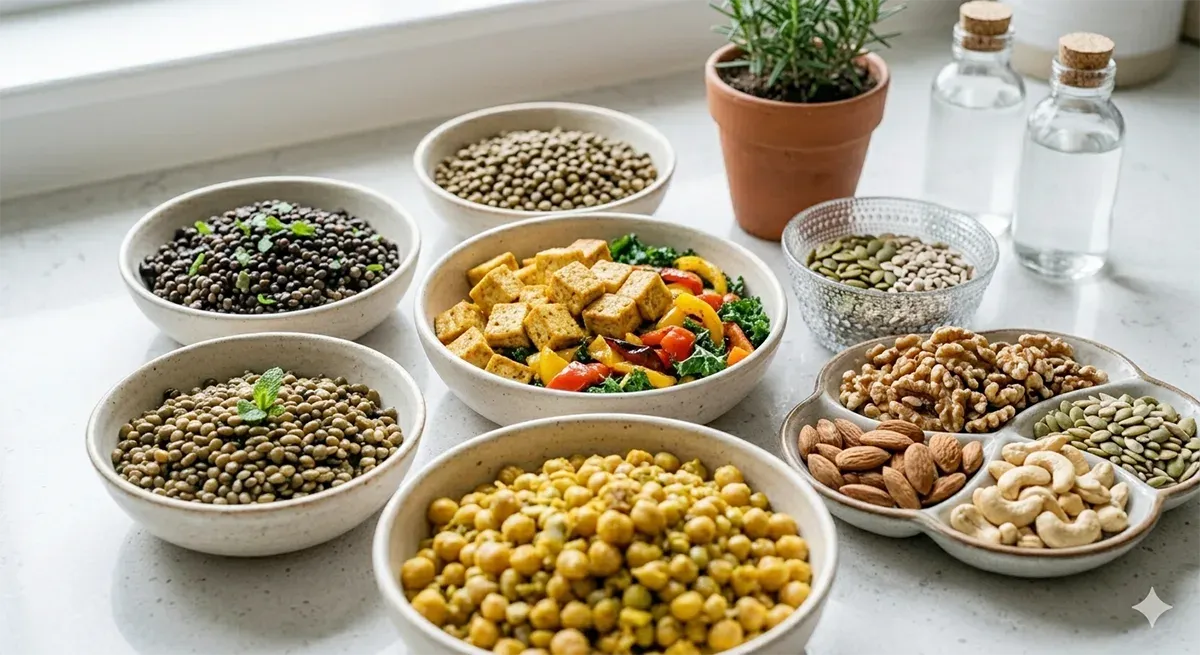
Eating enough protein helps preserve lean muscle while burning fat. Aim for 1.2–2 grams of protein per kilogram of body weight daily from sources like lean meats, fish, eggs, and legumes.
2. Strength Train Regularly
Resistance training helps maintain or build muscle mass, which in turn boosts your resting metabolism — helping your body burn more calories even at rest.
3. Don’t Cut Calories Too Low
Severe calorie restriction slows down metabolism and causes muscle loss. Instead, aim for a moderate calorie deficit of around 300–500 calories per day.
4. Stay Hydrated
Water supports fat metabolism and helps control appetite. Aim for at least 2–3 liters daily, depending on activity level and climate.
5. Get Enough Sleep
Lack of sleep disrupts hunger hormones like ghrelin and leptin, increasing cravings and fat storage.
6. Be Consistent
Fat loss is a marathon, not a sprint. A steady pace ensures you keep the weight off for good and maintain overall well-being.
Final Thoughts
While weight loss may sound appealing because the results show up faster on the scale, fat loss is what truly transforms your health and physique. Focus on building sustainable habits—balanced nutrition, regular exercise, and proper rest—and your body will reward you with lasting energy, confidence, and vitality.
Remember: the goal isn’t just to weigh less, but to live better.
Explore more tips on healthy and sustainable transformation in our Weight Loss category.