Whole Food Plant-Based Diet for Sustainable Weight Loss: What to Eat Daily
Whole food plant-based diet for sustainable weight loss: what to eat daily, simple meal ideas, and how to stay full while losing weight naturally.
Table of Contents
- What Is a Whole Food Plant-Based Diet?
- Why This Diet Works for Sustainable Weight Loss
- 1. You Eat More Volume With Fewer Calories
- 2. Fiber Keeps You Full (and Reduces Cravings)
- 3. You Stop “Dieting” Altogether
- What to Eat Daily on a Whole Food Plant-Based Diet
- 🥣 Breakfast: Start With Fiber and Energy
- 🥗 Lunch: Build a Balanced Bowl
- 🍛 Dinner: Simple, Filling, and Satisfying
- 🥜 Snacks: Keep Them Whole and Natural
- A Simple 1-Day Meal Plan Example
- Common Mistakes to Avoid
- ❌ 1. Eating Too Many Processed “Vegan” Foods
- ❌ 2. Not Getting Enough Protein
- ❌ 3. Confusing Weight Loss With Fat Loss
- Do You Need Exercise With This Diet?
- What Real People Are Saying
- Final Thoughts
“I didn’t go on a diet—I just started eating real food. The weight came off without me forcing it.”
That’s something you’ll hear over and over from people who switch to a whole food plant-based (WFPB) diet. And it highlights the biggest difference between this approach and traditional dieting:
👉 You’re not trying to eat less—you’re learning to eat better.
What Is a Whole Food Plant-Based Diet?
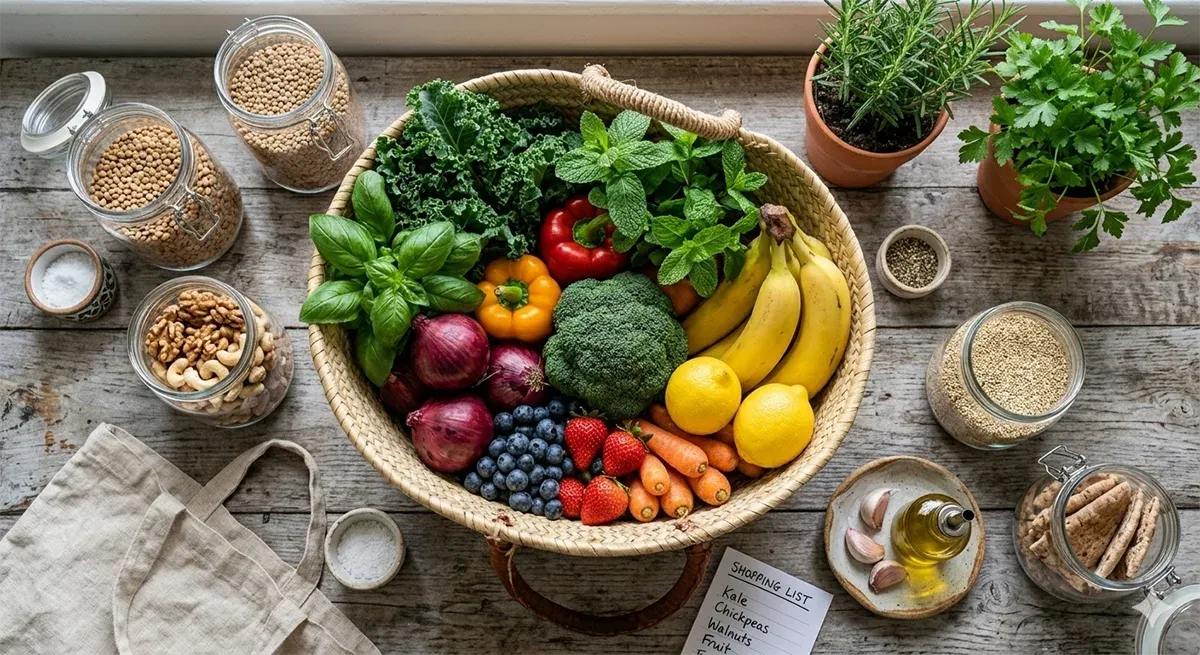
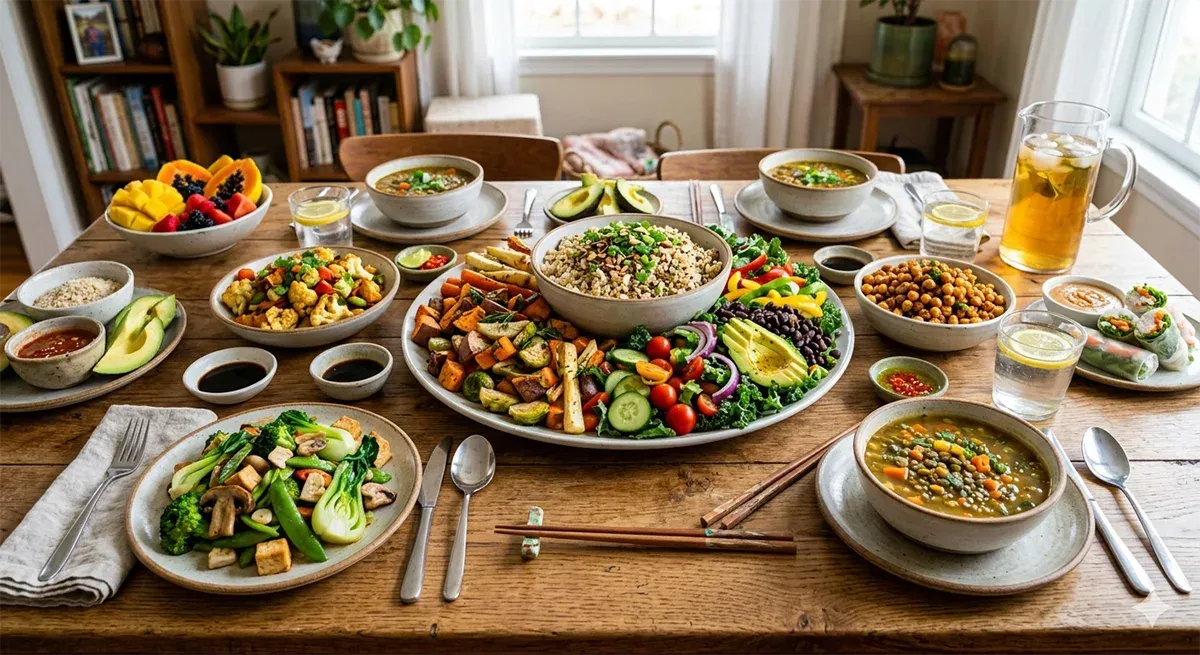 A whole food plant-based diet focuses on foods that are as close to their natural state as possible:
- Vegetables
- Fruits
- Whole grains (oats, brown rice, quinoa)
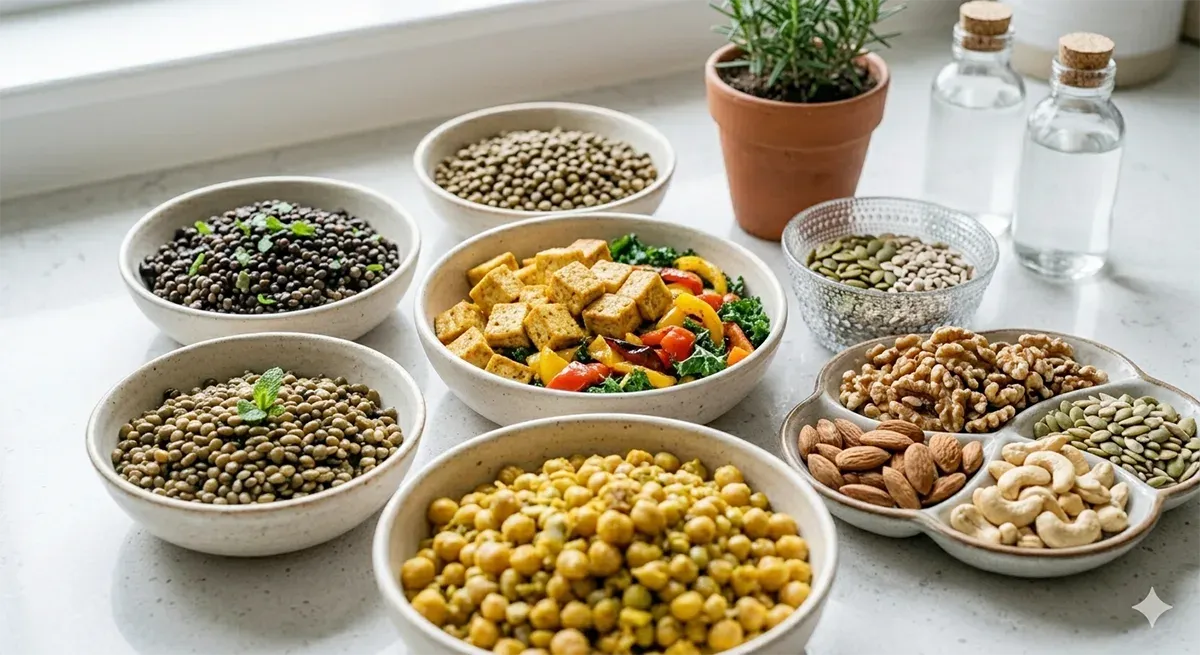
- Legumes (beans, lentils, chickpeas)
- Nuts and seeds
At the same time, it minimizes:
- Processed foods
- Refined sugar
- Added oils
- Animal products
This isn’t about strict rules—it’s about building meals around foods that naturally support your body.
Why This Diet Works for Sustainable Weight Loss
Most diets fail because they rely on restriction and willpower. A WFPB diet works differently.
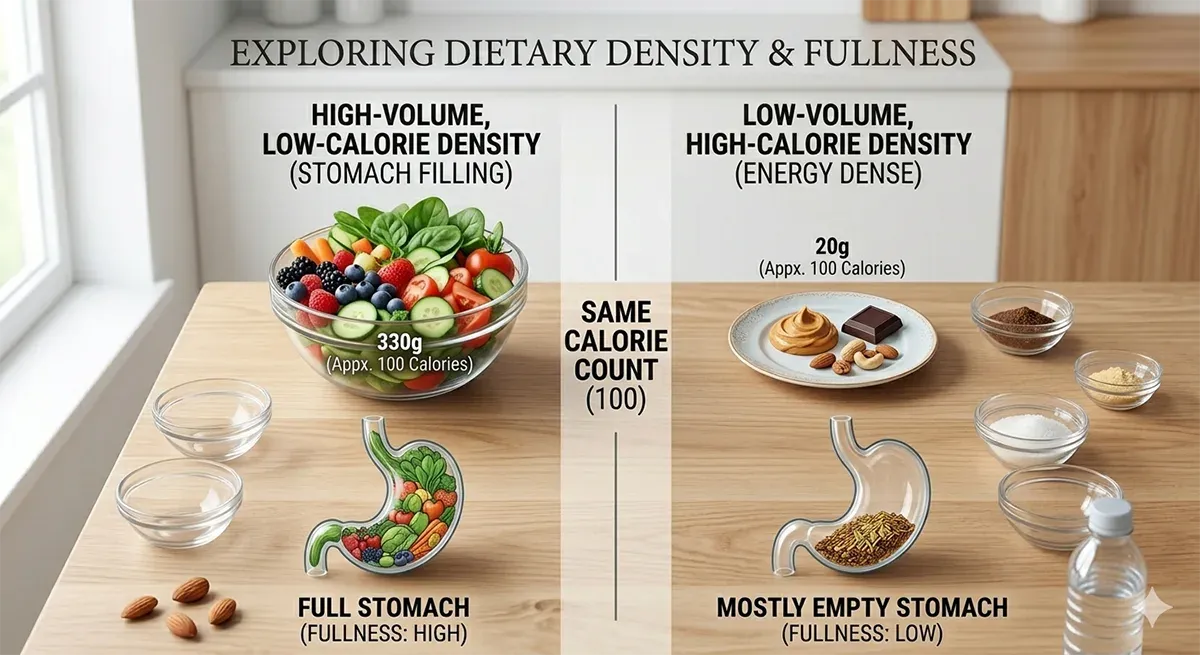
1. You Eat More Volume With Fewer Calories
Whole plant foods are low in calorie density, meaning you can eat larger portions without overeating calories.
If this concept is new to you, understanding how calorie density works can completely change how you approach weight loss.
2. Fiber Keeps You Full (and Reduces Cravings)
Fiber is one of the most underrated tools for fat loss.
Plant-based meals are naturally high in fiber, which:
- Slows digestion
- Keeps you full longer
- Prevents blood sugar spikes
That’s why many people notice their cravings drop within days of switching.
3. You Stop “Dieting” Altogether
Instead of constantly thinking about what you can’t eat, you focus on what you should eat more of.
If you’re tired of restrictive plans, these evidence-based ways to lose weight without strict dieting align perfectly with this approach.
What to Eat Daily on a Whole Food Plant-Based Diet
Let’s make this practical. Here’s how to structure your day.
🥣 Breakfast: Start With Fiber and Energy
A good plant-based breakfast should keep you full for hours.
Best options:
- Oatmeal with berries, chia seeds, and almond butter
- Green smoothie (spinach, banana, flaxseed, plant milk)
- Whole grain toast with avocado and tomatoes
💡 Starting your day with fiber helps control hunger for the rest of the day.
🥗 Lunch: Build a Balanced Bowl
Lunch is where you want a mix of carbs, protein, and healthy fats.
Go-to meals:
- Quinoa bowl with roasted vegetables and chickpeas
- Lentil soup with whole grain bread
- Large salad with beans, seeds, and tahini dressing
🍛 Dinner: Simple, Filling, and Satisfying
Dinner doesn’t need to be complicated.
Easy ideas:
- Brown rice, tofu, and steamed broccoli
- Sweet potato with black beans and salsa
- Stir-fried vegetables with tempeh
If you’re not sure how to structure your evening meals, this guide on what to eat for dinner to lose weight breaks it down in a simple, practical way.
🥜 Snacks: Keep Them Whole and Natural
Snacking is fine—just keep it clean.
Smart choices:
- Fresh fruit
- A handful of nuts
- Hummus with carrots or cucumber
A Simple 1-Day Meal Plan Example
Breakfast: Oatmeal + blueberries + flaxseed
Snack: Apple + almonds
Lunch: Chickpea quinoa bowl
Snack: Carrots + hummus
Dinner: Brown rice + tofu + vegetables
If you want a more structured plan to follow, this 7-day vegetarian meal plan for weight loss is a great place to start.
Common Mistakes to Avoid
Even a healthy diet can go wrong if you’re not careful.
❌ 1. Eating Too Many Processed “Vegan” Foods
Just because it’s vegan doesn’t mean it’s healthy.
- Vegan cookies
- Plant-based junk food
- Processed meat substitutes
👉 These can slow or stop weight loss completely.
❌ 2. Not Getting Enough Protein
You don’t need meat—but you do need protein.
Include daily:
- Beans
- Lentils
- Tofu
- Tempeh
If you’re unsure how to hit your protein needs, this high-protein vegan meal plan for fat loss is a solid reference.
❌ 3. Confusing Weight Loss With Fat Loss
Losing weight doesn’t always mean losing fat. Preserving muscle is key to looking and feeling better.
Here’s a simple explanation of the difference between weight loss and fat loss if you want to understand it better.
Do You Need Exercise With This Diet?
Short answer: Yes—but it doesn’t have to be extreme.
Diet does most of the work, but exercise helps:
- Increase calorie burn
- Improve metabolism
- Maintain muscle
Even adding simple routines like these cardio exercises to burn fat can accelerate your results.
What Real People Are Saying
From online communities:
“I’m eating more food than ever and still losing weight.”
“My cravings disappeared after switching to whole plant foods.”
“This is the first time weight loss actually felt easy.”
Final Thoughts
A whole food plant-based diet works because it removes the struggle from weight loss.
You’re not:
- Constantly hungry
- Counting every calorie
- Fighting cravings
Instead, you’re building a way of eating that naturally supports your body.
Start simple:
- Focus on whole foods
- Eat until satisfied
- Stay consistent
That’s how sustainable weight loss actually happens.